

Soil Stabilization Products
SoilPak-250 turns the clay already in your road base into a hard, water-resistant surface.
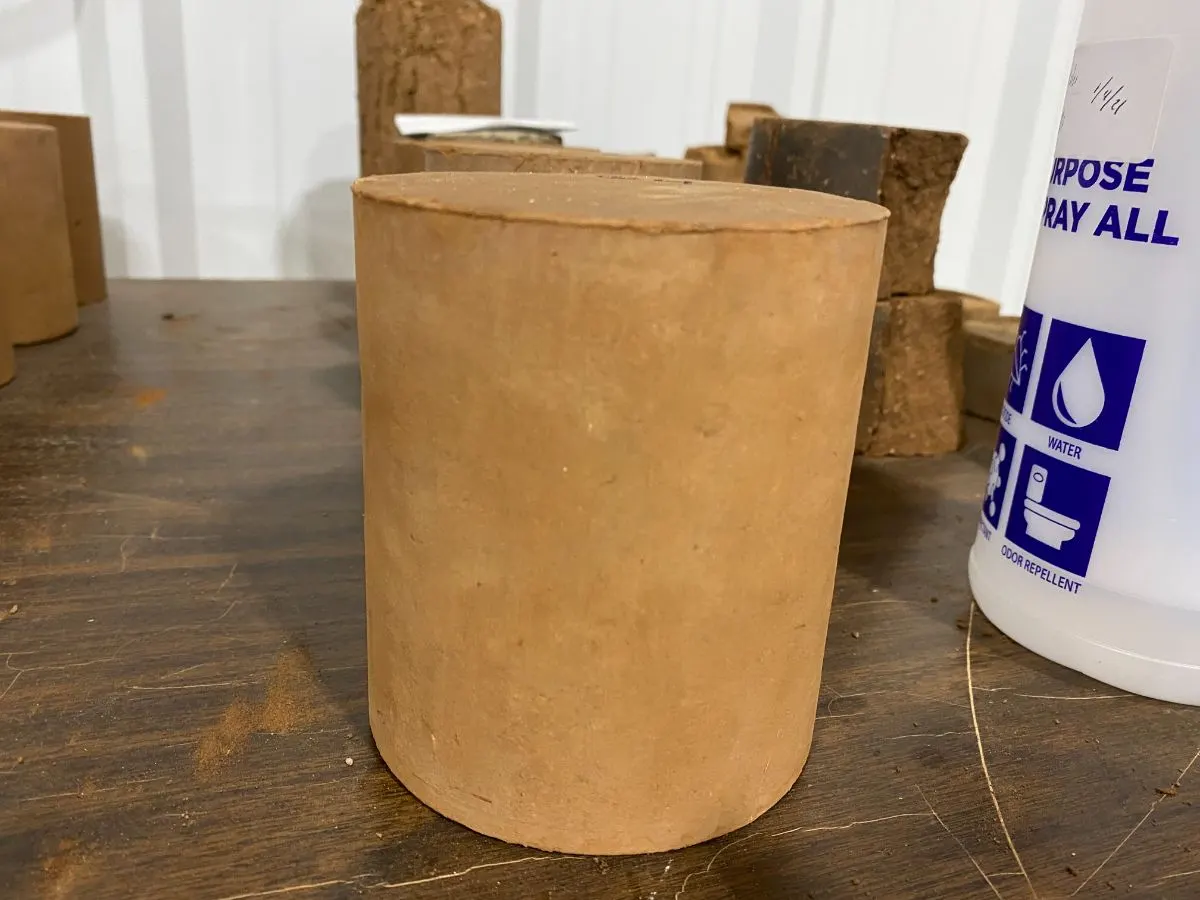
SoilPak-250
A water-based enzyme solution that works with the soil you already have.
In nature, soil becomes rock over millions of years—a process known as lithification. SoilPak-250 recreates that process in a fraction of the time, chemically bonding the clay in your road base so it hardens within 24 hours.
The result is a water-resistant surface that compacts better and holds its shape.
SoilPak-250 Benefits
Why counties, agencies, and contractors choose SoilPak-250 for road base stabilization—with lab-tested results.
Water-Resistant Road Base
Modifies the surface charge of clays, making them hydrophobic so water can’t soften the base.
Freeze-Thaw Resistant
The water-resistant barrier holds up through freeze-thaw cycles, helping prevent potholes and uplifts.
Lower Cost
60-70% lower cost than traditional options, using the soil on site to cut material and hauling costs.
Standard Equipment
Applied by your road crew with the equipment they already run, with SoilChem on site for every job.
Built to Last
Lab-tested at 452 to 800 psi, leading to years of service with less maintenance.
Safe Near Water & Vegetation
Contains no chlorides, won’t corrode vehicles, and is safe near roadside vegetation and water.
Common Applications
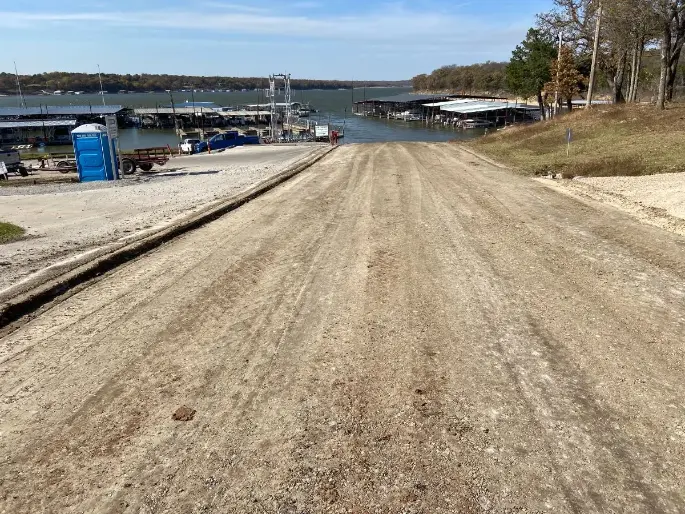
01
County Roads
Long-lasting road base for county road departments.
02
Municipal Roads
Stabilized surfaces for city streets and roads.
03
Highways
A strong, durable foundation for highway projects.
04
Haul Roads
A hard base for roads that carry heavy trucks.
05
Logging Roads
Firm, all-weather roads into timber sites.
06
Mining Roads
Stabilized roads for mine access and hauling.
07
Lease Access Roads
Durable access roads to oil and gas lease sites.
08
Drilling Site Roads
Firm, compacted roads into drilling sites.
09
Parking Lots
A solid base for parking areas, ready to surface.
10
Service Yards
Stable ground for equipment and vehicle yards.
11
Pipe Yards
A firm foundation for pipe storage and handling.
12
Containment Ponds
Water-resistant soil for containment ponds.
13
Railroad Tracks
A solid subgrade beneath railroad tracks.
14
Levees
Hardened soil for levees and high-water areas.
Application Guidelines
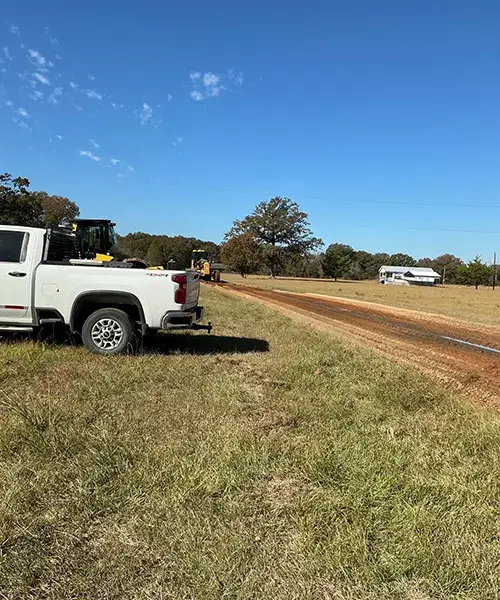
1. Soil Testing
Roads to be treated should first be sampled from several areas throughout the entire distance to a depth of 8". These samples should be combined and sent to the SoilChem lab, where we determine the soil’s plasticity index (Atterberg limits) and optimum moisture content (Proctor). These values guide the application for the best results.
2. Weather Planning
Dry weather is recommended. Plan for at least three dry days after application when possible, though SoilPak-250 can handle the elements if rain comes sooner.
3. Road Preparation
When conditions allow, the road should be ripped to a depth of 8" and disked until the soil is evenly divided and all clumps are broken up. A moisture reading is then taken, and the first water trucks with blended product are prepared.
4. Product Application
The product is applied by water truck at a rate set by the soil test results. The amount of water used depends on the initial moisture reading.
5. Mixing & Moisture Check
Once applied, the surface should immediately be disked or tilled to depth, and a second moisture reading taken. If the soil has dried out of the optimum range, the water truck sprays straight water, followed by the disk.
6. Crowning & Compaction
The road can then be crowned and compacted, ideally with a sheep’s foot roller followed by a pneumatic smooth tire packer. Maximum compaction and proper crowning play vital roles in the road’s strength.
7. Opening to Traffic
The road can now be opened to light local traffic. Keep it closed to heavy traffic for at least 48 hours before fully opening.
8. Chip Sealing
If the road will be chip sealed, the first coats of prime may be applied after the 48-hour period.
9. Long-Term Service
With proper application, the treated road should provide years of service at a fraction of the maintenance cost of conventional engineered roads.
SoilPak-250 Documents
SoilPak-250 2020 Compressive Strength Test Results
SoilPak-250 Water-Based Enzyme Solution: Product Information
SoilPak-250 Water-Based Enzyme Solution: Safety Data Sheet (SDS)
Put Our Products to Work
Send us your road’s length and width, and we’ll deliver a detailed estimate for your project.